Join us for a three-part evening drawing series dedicated to the expressive language of wrought iron ornament — where volutes, scrolls, and forged elements unfold into rhythmic architectural pattern.
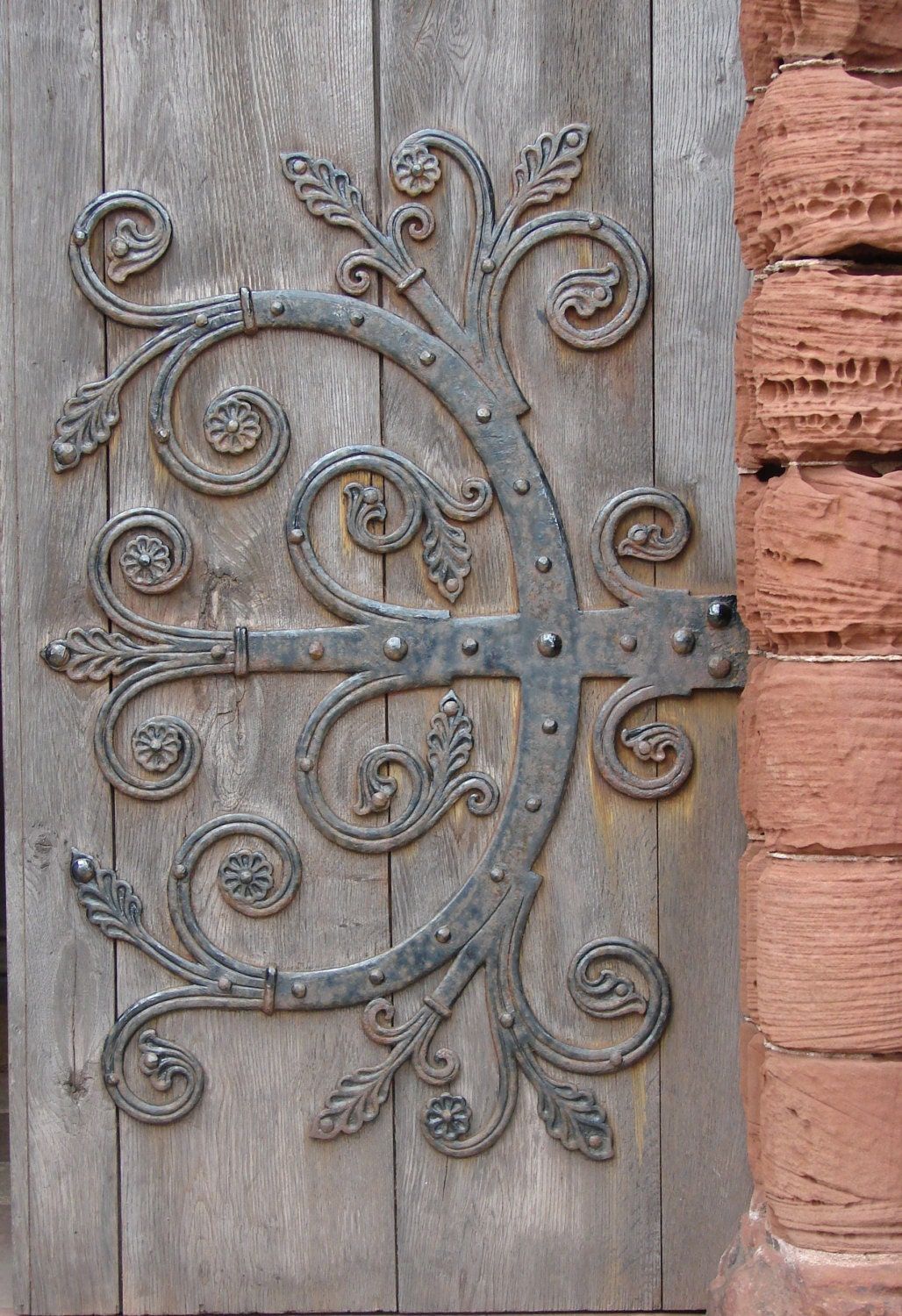
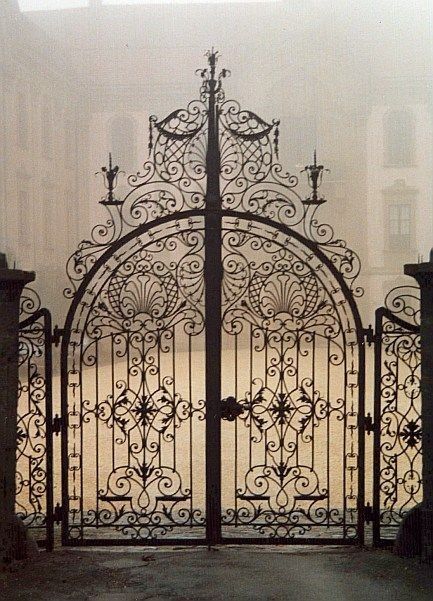
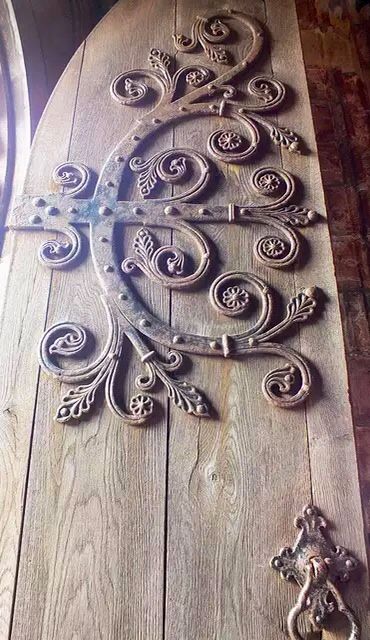
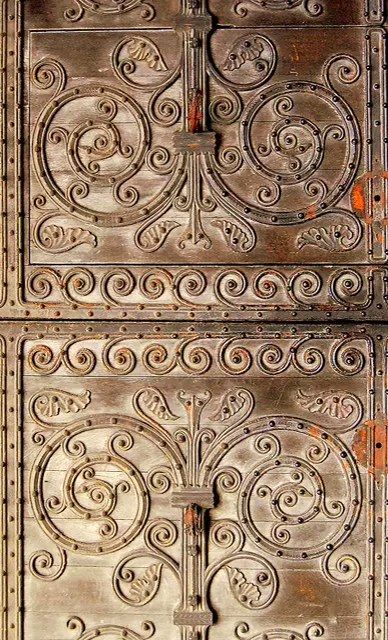
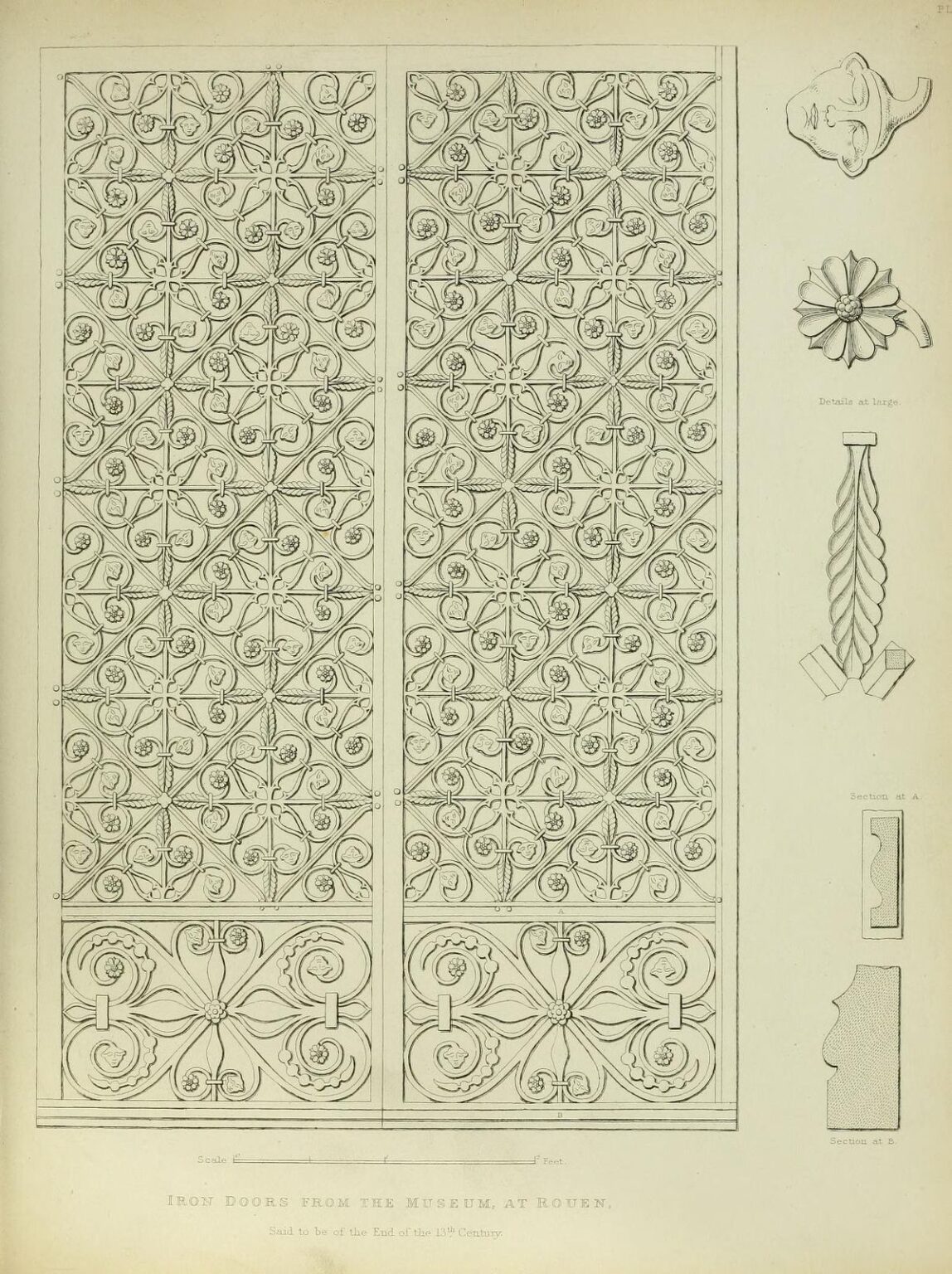
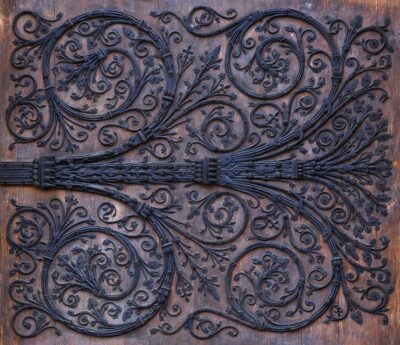
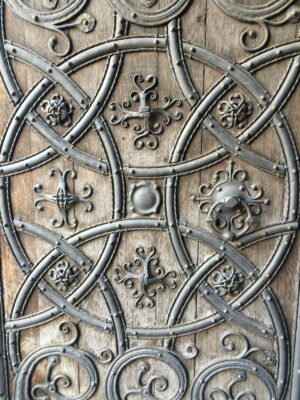
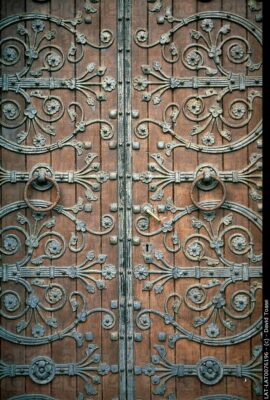
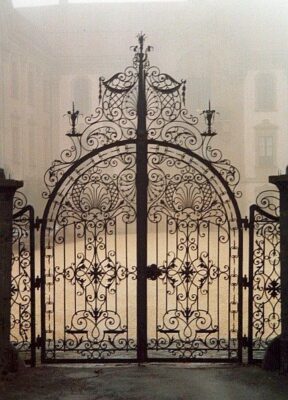
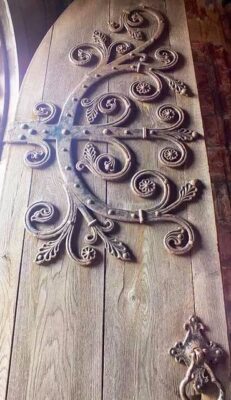
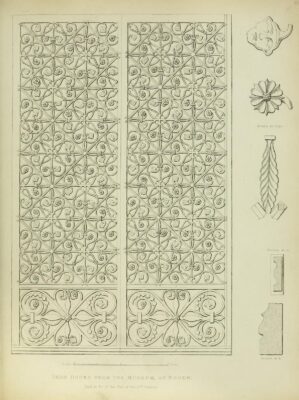
Across the sessions, we will study historic ironwork from gates, balconies, grilles, and doors, analysing how blacksmiths shaped heated metal into flowing curves, mirrored symmetries, and structural ornament. Through guided drawing, we’ll translate these forged forms into line, structure, and shaded relief.
Each session will focus on a different ornamental system drawn from historic references:
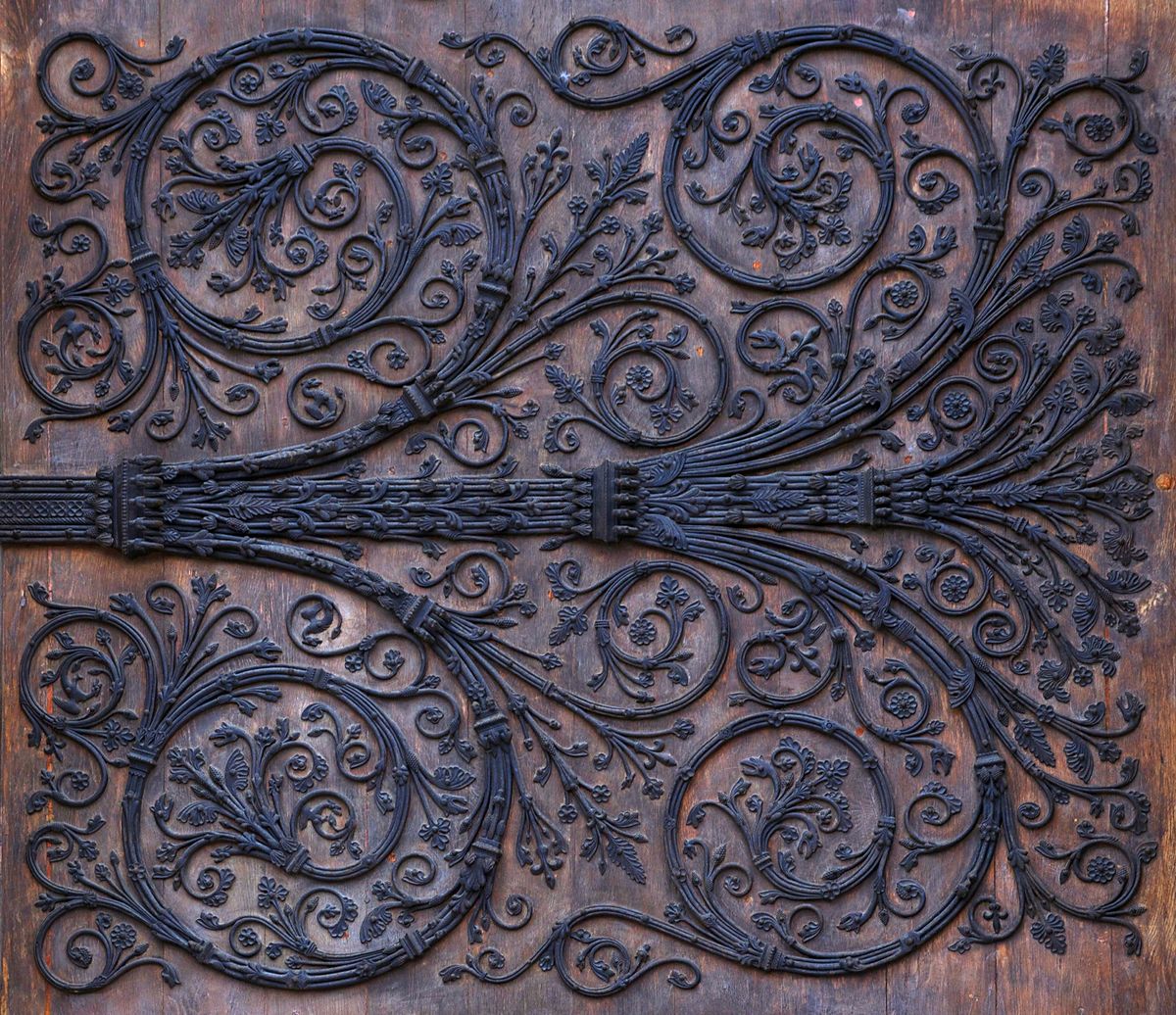
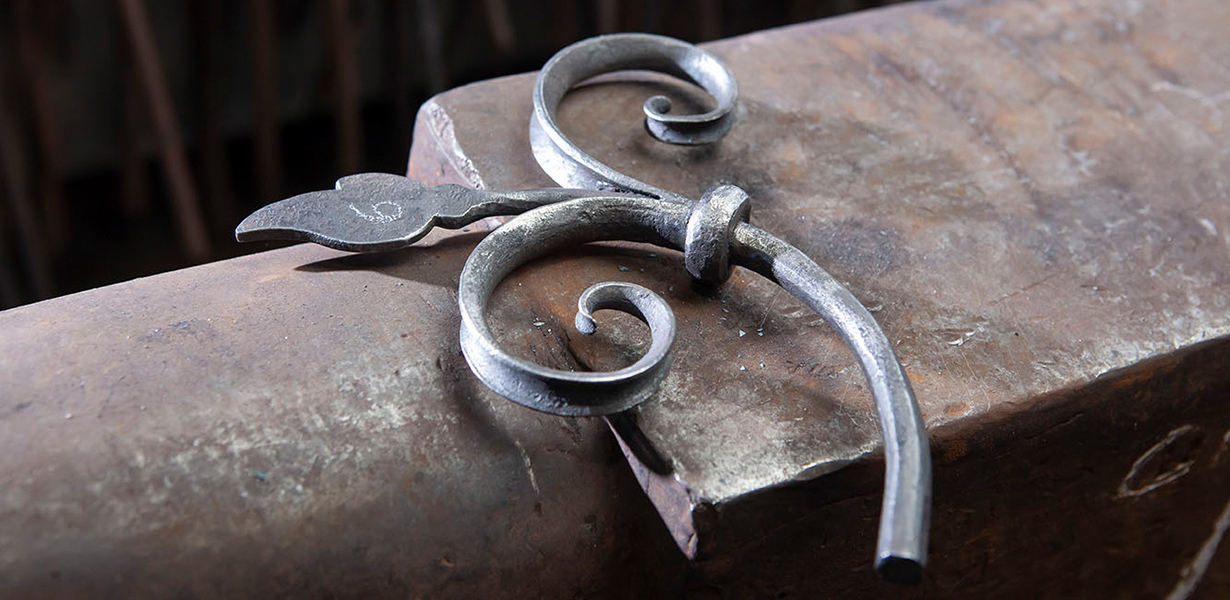
Session One — Volutes & Scroll Foundations We begin with the essential grammar of wrought iron: spiral volutes, S-scrolls, and mirrored curve systems. You’ll learn how scrolls grow from a central axis and resolve into balanced ornamental compositions.
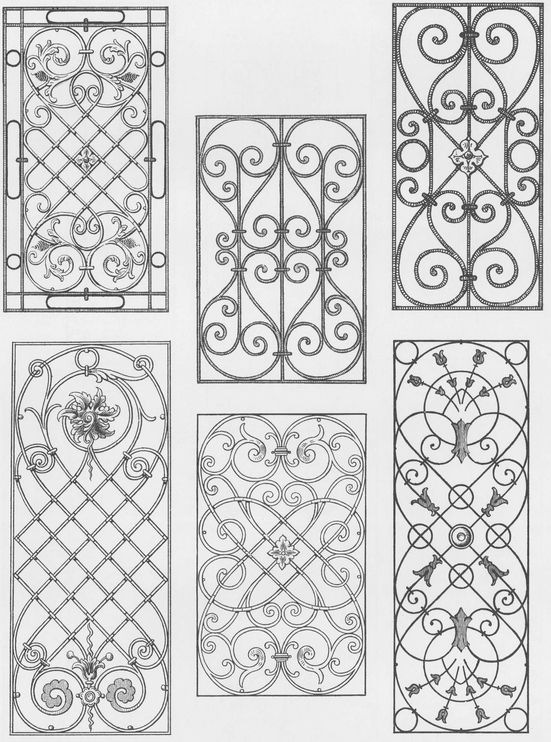
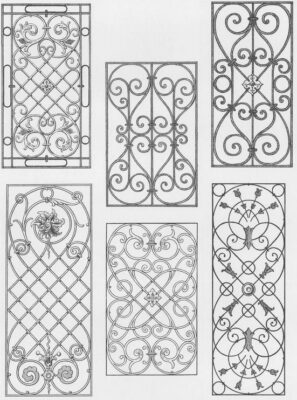
Session Two — Panels, Gates & Structural Pattern Moving outward, we’ll construct framed ironwork panels — exploring repetition, symmetry, and the relationship between structural bars and ornamental infill.
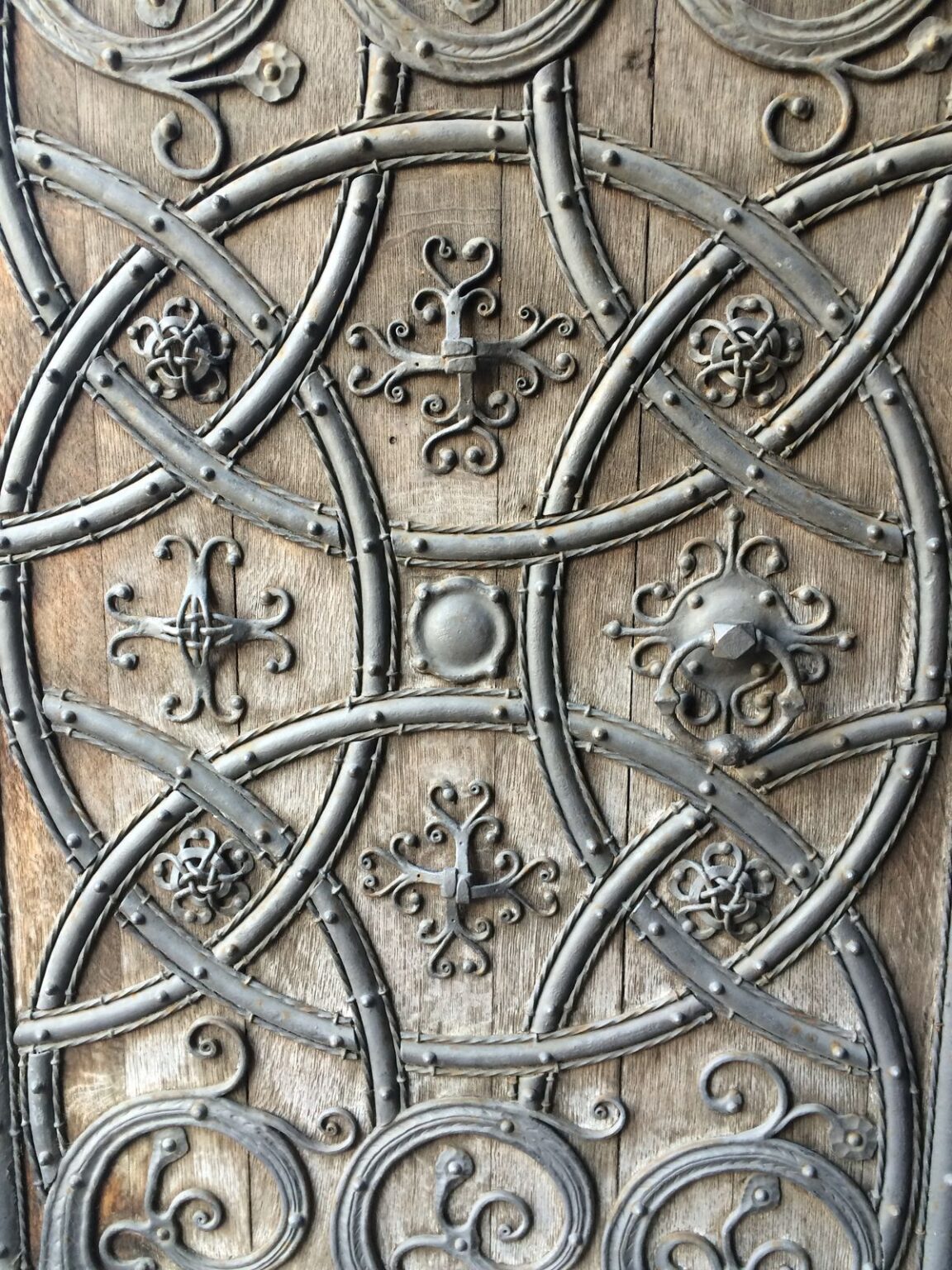
Relief, Detail & Forged Texture In the final session, we’ll refine linework and develop shading techniques to evoke forged thickness, hammered surfaces, collars, rivets, and layered metal joins.
Construct volute and scroll geometries
Build symmetrical ironwork compositions
Understand forged joint and collar structures
Develop panel and grille repeat systems
Shade to suggest wrought iron weight and relief
All levels are welcome — from beginners to experienced artists, designers, and craftspeople. The sessions are taught step by step, balancing structure with expressive drawing.
Across the three evenings, you’ll complete a series of finished ornamental drawings, each exploring different aspects of wrought iron scrollwork — from foundational volutes to complex architectural panels.
All sessions are recorded, so if you can’t attend live, you can follow the classes anytime with lifetime access.
Wrought iron ornament has shaped architectural thresholds and facades across Europe and beyond for centuries. Emerging strongly in the medieval period, forged ironwork first appeared in functional forms — hinges, straps, and grilles — before evolving into increasingly elaborate ornamental systems.
By the 17th and 18th centuries, during the Baroque and Rococo periods, blacksmiths transformed iron into highly expressive scrollwork seen on palace gates, cathedral doors, balconies, and civic architecture. Regions such as France, Italy, Spain, and Southern Germany became renowned for their virtuoso ironwork, where volutes, cartouches, and vegetal scrolls echoed the carved stone and stucco ornament of the buildings they adorned.
These traditions spread widely — influencing urban ironwork across Central Europe, Britain, and the Americas — while retaining regional characteristics in proportion, density, and scroll vocabulary.
In this course, we’ll draw from a range of historic references, tracing how heated metal was forged, bent, collared, and riveted into flowing ornamental structures that balance strength with delicacy.
A full recording of both sessions will be provided, giving you lifetime access to revisit the process and continue developing your work.
Practical drawing class with a short introductory lecture
All abilities welcome (no drawing experience required)
Please arrive on time so the step-by-step progression is clear
Downloadable recording
These online presentations are taught by Adam Williamson, inspired by his studies and travels.
Required Materials
Compass
Ruler
A3 or A2 drawing paper
Mid‑tone paper is recommended (grey, tan, or natural craft). However, alternatives are encouraged, including hand‑tinted, coloured, or marbled paper, all of which create beautiful grounds for highlighting.
White pencil
Graphite pencils:3B–HB range
Tracing paper
Zero eraser / precision eraser (or equivalent)
Optional (useful but not essential):
Fine‑line drawing pens (0.1–0.5)
After registering, you will receive a confirmation email from wetravel with the zoom joining instructions.
We will also send an email before the class with materials to look over in advance, along with the Zoom passcode for joining the session on Saturday.
This course will take place on Zoom, so please download the free Zoom app beforehand.
Also in Online Class Archive
The Lotus
The Lotus
Drawing the Lotus: Indo-Islamic Carving Motifs
The Mughal Colonnade
The Mughal Colonnade
Join us for a two-part deep dive into the elegance and symbolism of Mughal architecture as we draw a classic three-arch Mughal colonnade, complete wit...
William Morris Wallpaper
William Morris Wallpaper
This two-part online workshop explores how Morris transformed organic motifs — flowers, vines, birds, and leaves — into precise tessellation syste...
Ottoman Roundels
Ottoman Roundels
A two-day online workshop exploring the rotational geometry and metal craft of Ottoman Istanbul’s door knockers and bosses, guiding you step by step...
Persian Door
Persian Door
Draw this exceptional 12th-century Persian wooden door panel, and leave with a fully rendered study capturing its geometric structure, carved foliate ...
Ornamental Drawing Series – 3 Workshop Bundle
Ornamental Drawing Series – 3 Workshop Bundle
Book the Ornamental Drawing Series — three two-day online workshops
Patterns of Shah Rukn-e-Alam
Patterns of Shah Rukn-e-Alam
In this special 4 part drawing meditation we will gradually create a large drawing composing of 9 biomorphic and geometric patterns that adorn the stu...
Cordoba Biomorphs
Cordoba Biomorphs
Over 2 sessions we will draw the biomorphic (arabesque) patterns from the famous Mezquita of Córdoba.
Uzbek Columns
Uzbek Columns
Over 2 sessions we will draw and explore the carved wooden columns of Uzbekistan
The Spiral
The Spiral
The spiral is a timeless universal symbolise, a mysterious form that governs nature and the cosmos and enables life, from the golden growth of our DNA...
The Minbar of the Kutubiyya Mosque
The Minbar of the Kutubiyya Mosque
Over 2 sessions we will draw the geometric and biomorphic (arabesque) patterns from the famous Minbar of the Kutubiyya Mosque.
Patterns from Abo Heriba
Patterns from Abo Heriba
Over 2 sessions we will draw and explore carved panels from Abo Heriba, Cairo
Sultan Uljaytu’s Frontispiece
Sultan Uljaytu’s Frontispiece
Learn how to construct stunning geometric and arabesque 12 fold Frontispiece patterns over two afternoons.
Luza’s & Sormedan’s
Luza’s & Sormedan’s
Learn how to construct stunning 10 fold Geometric Persian Pattern
Yazd Rosette
Yazd Rosette
Learn to Draw this mesmeric ancient Persian radial shamsah rosette from the 12th Century JÄmeh Mosque of Yazd, Iran.
The Court of Lions Rosette
The Court of Lions Rosette
In this extended class learn how to draw this sublime 16 fold rosette carved into the walls of the Court of Lions in the Alhambra Palace, Granada Spai...
Golden Spiral & dodecahedron
Golden Spiral & dodecahedron
We will draw a pentagonal net, a logarithmic gold spiral and then build a dodecahedron.
Lotfollah Shamsah Dome
Lotfollah Shamsah Dome
In this class we will draw this geometric pattern for the famous Lotfollah Dome in Isfahan built during the Safavid Empire, 1619
Horseshoe Arch
Horseshoe Arch
Draw a moorish horseshoe and multi-foil arch and learn about the extraordinary evolution of the arch throughout civilisations across the world.
Darj w ktaf Patterns
Darj w ktaf Patterns
We will draw and fold a series of variations on Darj w ktaf (step and shoulder) pattern famously used throughout the Alhambra palace and moroccan arch...
The Bou Inania Tablet
The Bou Inania Tablet
Learn how to draw this biomorphic stucco 8 fold rosette from the Bou Inania Madrasa (1356) Fez Morocco.
The Jewel of the Attarine
The Jewel of the Attarine
Learn how to draw this sublime 10 fold rosette in this extended one off session. We are very excited to share this remarkable pattern found in both th...
Dynamic Biomorphic
Dynamic Biomorphic
Learn how to draw Dynamic Biomorphic Patterns
Moroccan Rosettes
Moroccan Rosettes
We will draw and fold a series of variations on the Moroccan zelij 8 fold rosette and investigate octagon and square Semiregular Tessellation.
Rustem Pasha BabaNakkash
Rustem Pasha BabaNakkash
Learn to draw this stunning 6 fold Pattern from the Ottoman Rustem Pasha Camii.
Platonic Solids
Platonic Solids
This class will be in two parts, in the first section we will complete projected isometric drawings of the 5 solids with compass + straight edge. In t...
The Minbar of Ibn Tulun
The Minbar of Ibn Tulun
Learn how to draw the famous 8 fold pattern adorning the Sultan Lajin minbar built for the Mosque of Ibn Tulun (1296). We will also sketch out and dis...
Persian Miniature Painting
Persian Miniature Painting
Jahangiri Mahal Carvings
Jahangiri Mahal Carvings
Draw panels from exquisite geometric and biomorphic sandstone carvings from the Agra fort, Agra, Uttar Pradesh, north India.
Paper Folding FREE
Paper Folding FREE
Using paper we will create an array of models and 3-dimensional static and kinetic structures.
We will create a series of artworks including a stru...
Yazd Isometric Biomorph
Yazd Isometric Biomorph
Learn how to construct stunning geometric and arabesque/islimi patterns from medieval Iran/Persia.
The Mystery of the Mexuar, 1
The Mystery of the Mexuar, 1
Learn how to draw this famous Alicatados masterpiece of the Mexuar found in the Alhambra Palace over a special 3 part extended class.
The Mystery of the Mexuar, 2
The Mystery of the Mexuar, 2
Learn how to draw this famous Alicatados masterpiece of the Mexuar found in the Alhambra Palace over a special 3 part extended class.
The Mystery of the Mexuar, 3
The Mystery of the Mexuar, 3
Learn how to draw this famous Alicatados masterpiece of the Mexuar found in the Alhambra Palace over a special 3 part extended class.
Biomorphic Borders
Biomorphic Borders
Learn how to compose classical layouts for biomorphic, arabesque, tezhib boarders.
Mamluk Medallion
Mamluk Medallion
Learn how to draw this glorious woven radial biomorphic (arabesque) Mamluk pattern.
This class will combine both freehand and geometric elements. Th...
Umayyad Doors
Umayyad Doors
We will draw variations on these stunning kundekari 12 fold rosettes from The Great Mosque of Damascus and the Azem Palace.
Ornamental Domes of Cairo
Ornamental Domes of Cairo
Learn how to dynamic drop patterns that adorn the domes of medieval Cario
This class will combine both freehand and geometric elements. There will be...
Suleymaniye Stained Glass
Suleymaniye Stained Glass
Learn how to draw this stunning biomorphic stained glass and plaster composition from the Suleymaniye Camii, 1550.
This is a very neat geometric si...
Kundekari Panel
Kundekari Panel
Learn how to draw biomorphic compositions within the various geometric forms. We will design patterns that fit within a luza, pentagon, saft and vario...
Celtic & Islamic Knotwork
Celtic & Islamic Knotwork
We will discuss connections between Islamic and Celtic Knotwork before Adam Tetlow teaches a stunning pattern.
The Façade of Comares
The Façade of Comares
Learn how to draw this Moorish geometric and biomorphic stucco pattern of the famous Facade of Comares on the Patio of the Gilded Room where at the fo...
Radial Celtic Knotwork
Radial Celtic Knotwork
Nasrid Knotwork
Nasrid Knotwork
Learn how this delicate knot work from the Alhambra Palace.
Curvilinear Star
Curvilinear Star
Learn how this delicate knot work from the Alhambra Palace.
Moorish Stucco
Moorish Stucco
HATAYI BORDER
HATAYI BORDER
This class is a continuation of the Hatayi border class but maybe take as a stand alone session.
Learn how to draw a series of Hatayi motifs famousl...
Key Compass Rosette
Key Compass Rosette
Celtic Key Compass Rosette
HATAYI SHAMSAH
HATAYI SHAMSAH
Learn how to draw a series of Hatayi motifs famously used to adorn Iznik tiles and illuminated manuscripts across Turkey and Persian. The class wil...
Aslam al-Silahdar medallion
Aslam al-Silahdar medallion
Draw this exquisite 14th century marble medallion that adorns the southern façade of Cairo’s Aslam al-Silahdar Mosque. A geometric symphony of curv...
Petals of Jericho .
Petals of Jericho .
Draw the stunning Umayyad torus mosaic patterns from Hisham’s palace in Jericho, Palestine. The mosaic floor in the Great Bath 825m², which is th...
Calligraphy in the Decorative canon
Calligraphy in the Decorative canon
Special session discussing the place of Calligraphy with the decorative canon comprising of Calligraphy, Geometry and Arabesque.
The Circle in Celtic and Seljuk
The Circle in Celtic and Seljuk
We will explore compass constructions for tirskelle’s and early Selduk Rumi.
Spandrels & Arches
Spandrels & Arches
Learn how to work biomorphic compositions into architectural features.
This class will include drawing arches and decorative features.
FREE HAND GEOMETRY
FREE HAND GEOMETRY
Learn a series of drawing techniques to build geometric patterns using just pencil and paper. Practice skills that aid sketching on site and improve h...
The Dome of Ali Qapu
The Dome of Ali Qapu
Online session absorbing the hidden majesty of the sublime 16th Century Dome of Ali Qapu Palace in Isfahan. Its delicate earthy tempora contrasting th...
Sultan Hassan Stone Rosette
Sultan Hassan Stone Rosette
In this practical class we will draw this stunning marble carving and band from the entrance to the 14th Century Mosque-Madrasa of Sultan Hassan in C...
Enneagon Muqarnas , art of Afghanistan
Enneagon Muqarnas , art of Afghanistan
To celebrate the arts and crafts and rich decorative history of Afghanistan we will study the famous Boteh symbol (also know as the paisley) over tw...
Plaster Carving
Plaster Carving
Experience one of the most satisfying carving processes and complete a sublime artwork. This is a unique opportunity to experience plaster carving wit...
Biomorphs of the Indomalayan Realm
Biomorphs of the Indomalayan Realm
Study patterns from the The Forbidden City in Beijing, China. From Kelantan, Malaysia and Jepara, Java. Many Islamic styles in the Middle East have be...
Bronze Doors of Cairo
Bronze Doors of Cairo
In this practical class we will draw the unique bronze-plated door of Sultan Qalawun and Barquq courtyards.
The Tree of Life
The Tree of Life
Special anniversary session and sharing - next week will be exactly 1 year since the first online class!
Drawing the Jali carving from Sidi Saiyyid...
CABLE LOOPS
CABLE LOOPS
Over 2 classes We will draw the characteristic twisted-cable marble and mosaic patterns of Sultan Hasan Mosque Cairo and Hisham’s Palace in Jericho ...
Bouiania Biomorphs
Bouiania Biomorphs
Bouiania Biomorphs
Yazd 12 & 8
Yazd 12 & 8
Draw this sublime geometric and biomorphic Persian pattern from the 14th Century Jāmeh Mosque of Yazd.
Intrados, Part 1,2&3
Intrados, Part 1,2&3
The Intrados is the interior curve of an arch, adorning the passage or heavenly gateway. Vines spiral and flow from the arch apex bifurcating into bl...
Dual Level Patterns
Dual Level Patterns
Court of Lions Expansion PART 1 & 2
Court of Lions Expansion PART 1 & 2
In this class we revisit the stunning rosette panel in the Court of Lions at the Alhambra Palace in Granada. We draw the full extended geometric and b...
Ibn Tulun Stucco Soffits
Ibn Tulun Stucco Soffits
The Intrados is the interior curve of an arch, adorning the passage or heavenly gateway. Vines spiral and flow from the arch apex bifurcating into bl...
Samarra Stucco
Samarra Stucco
New 2 part series exploring the roots of Islamic ornamentation, we will draw 5 soffits from Ibn Tulun in Cairo.
Patterns of Palermo ~ Moorish Sicily
Patterns of Palermo ~ Moorish Sicily
RECORDED LIVE ON LOCATION IN ITALY
We will explore Sicilys rich history and confluence of styles through two Unseco World Heritage sites. A cultura...
Lotfollah Iwan Panel
Lotfollah Iwan Panel
raw this sublime 17th century Safavid 8 fold pattern under the Iwan at the entrance gate to the Sheikh Lotfollah in Isfahan. The body of the sumptuous...
Hamsa
Hamsa
~ Hamsa ~ UPCOMING LIVE CLASS - 17:30- 20:00, 11 Jan 2022
Patterns live from Spain
Patterns live from Spain
We will be broadcasting live drawing classes from the most important moorish monuments in Andalusia, Spain. the Alhambra Palace Granada, Alcazba Sevil...
Festive Polyhedra
Festive Polyhedra
Draw a stunning golden proportion net and then use it to build a series of slide polyhedra models.
Acanthus ~ Scroll Ornament
Acanthus ~ Scroll Ornament
Acanthus ~ Scroll Ornament
ONLINE – Online Drawing Prayer / Fundraiser
ONLINE – Online Drawing Prayer / Fundraiser
Join us for a free conscious drawing practice to raise funds for the ongoing humanitarian crisis, spotlighting the power of art, history, and universa...